Introduction: an invisible threat on your smartphone
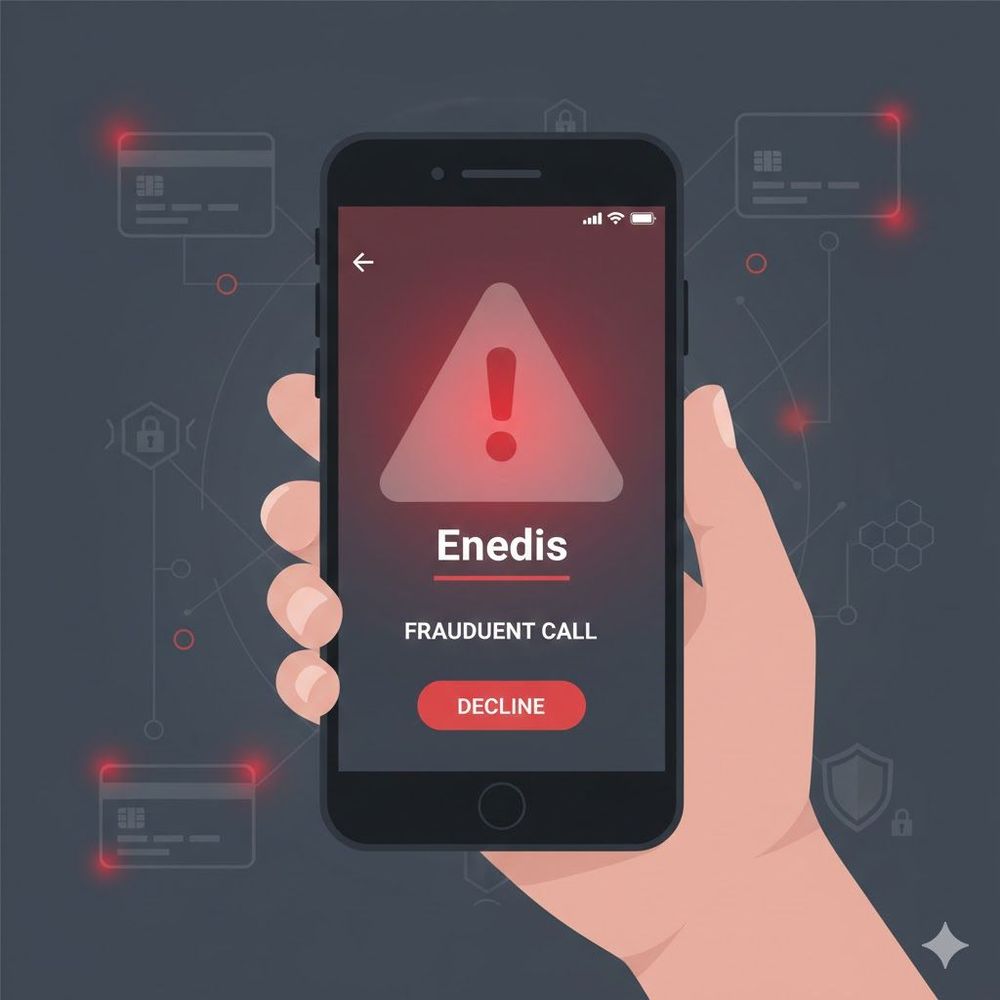
For the past few weeks, a wave of fraudulent calls has been sweeping through French households. By impersonating Enedis, the electricity distribution network manager, scammers are attempting to extract sensitive information from their victims. The goal is simple but formidable: access your bank accounts to empty them in a few minutes. This increasingly sophisticated scam uses psychological manipulation techniques to lower your guard.
The fraudsters' modus operandi: a well-rehearsed setup
The scam generally begins with a standard phone call. The caller, often very convincing and professional, presents themselves as an Enedis agent. The pretext varies: a bill regularization, the urgent replacement of a defective meter, or even a promotional offer to reduce your energy bills. The criminals use well-crafted scripts to gain your trust and pressure you into making an immediate decision.
Concrete examples of the trap in action
Take the case of "overpayment regularization." The scammer informs you that you've paid too much for your electricity and that a refund is ready. To receive it, they ask you to confirm your banking details (IBAN) or click on a link received by SMS to "validate" the operation. Another common example is technical urgency: you're threatened with having your electricity cut off if you don't pay a supposed debt by phone by providing your credit card numbers. Enedis never operates this way.
The right reflexes to protect your bank account
To avoid falling into the trap, it's essential to keep a few golden rules in mind. First, Enedis never calls to ask for banking information by phone. If you receive such a call, hang up immediately. Never communicate your secret codes, whether for your bank or your online personal spaces. In case of doubt, contact Enedis yourself via their official number available on your actual bill or log in directly to your secure customer area.
Conclusion: vigilance and prevention above all
Cybercrime continues to evolve, and phone scams remain one of the most effective means of trapping citizens. By staying informed and adopting a cautious attitude toward unsolicited solicitations, you build a barrier against these digital predators. Share the information around you, especially with the most vulnerable people, as knowledge remains the best defense against fraud.